Quick Summary:
- Understand the differences between marble etching, stains and surface scratches.
- Identify the common causes of marble floor damage in Malaysian homes and commercial properties.
- Learn how to recognise etching, discolouration and scratches on marble surfaces.
- Explore suitable marble repair and restoration methods for different types of damage.
- Discover practical marble floor maintenance tips to preserve the shine and appearance of marble in Malaysia’s humid climate.
What Is Marble Etching?
Marble etching occurs when an acidic substance reacts with the stone’s surface. Marble contains calcium carbonate, which can react with acids and leave dull spots, cloudy patches or marks that look like water rings. These marks are not ordinary dirt sitting on the floor. They affect the surface finish itself.
Common causes include lemon juice, vinegar, orange juice, acidic toilet cleaners and certain household cleaning products. Even a small spill can leave a visible mark if it remains on polished marble for too long.
In Malaysian households, etching may happen around dining tables, kitchen counters, bathroom vanities and pantry areas. For example, placing a glass containing lime juice directly on a marble table may leave a dull ring. Using an acidic cleaner to remove the mark can make the problem worse.
How to identify etching: Look for a dull patch that appears different from the surrounding polished surface. The mark may become more noticeable when light reflects across the floor. Unlike a stain, etching does not always leave a change in colour.
Light surface etching may be improved through suitable marble honing or polishing. More noticeable damage may require professional treatment to restore a consistent finish.
What Is Marble Staining?
Marble staining happens when coloured liquids, oils or other substances penetrate the stone’s pores and leave discolouration. Marble is a porous natural material, so some spills can enter the surface if they are not cleaned promptly or if the stone does not have suitable protection.
Common sources of stains include coffee, tea, cooking oil, curry, sauces, cosmetics, ink and rust-producing metal objects. In kitchens, oil splashes and food spills are common concerns. In bathrooms, cosmetics and personal care products may leave marks on marble surfaces.
Malaysia’s warm and humid conditions can also make regular cleaning important, particularly in bathrooms and other areas where moisture is frequently present. However, humidity alone does not mean that every dark mark is a stain. Persistent dampness, mineral deposits and other surface problems can sometimes produce similar appearances.
How to identify a stain: Check whether the affected area has changed colour while retaining a relatively smooth surface. Brown, yellow, dark or reddish marks may indicate staining, although the colour alone cannot confirm the cause.
Effective marble stain removal depends on the substance responsible for the mark. Some stains respond to specialist poultices that draw contaminants out of the stone. Rust, oil and organic stains may require different treatments.
Avoid applying bleach, strong acids or untested chemical mixtures. These products can damage the marble finish or create additional marks. If the stain remains after gentle cleaning, identifying the source before choosing a treatment is the safer approach.
What Is Surface Scratching on Marble?
Surface scratching occurs when abrasive particles or hard objects create visible lines or grooves on the marble. Unlike etching, which is a chemical reaction, scratching involves physical contact that damages or wears the surface.
Sand and grit carried indoors on footwear are common causes of fine scratches on marble floors. Moving chairs, dragging furniture, using rough cleaning pads and placing unprotected heavy objects on the floor can also cause damage.
In busy Malaysian offices, shopping areas and hotel lobbies, regular foot traffic can gradually reduce the smooth appearance of polished marble. At home, scratches may develop near entranceways, dining areas and frequently used walkways.
How to identify scratches: Examine the area under good lighting. Scratches often appear as thin lines, scuff marks or visible grooves. Run your eyes across the surface from different angles rather than rubbing the area with your fingers, as grit may cause further damage.
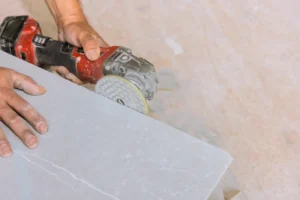
Fine surface marks may sometimes be reduced through professional honing and polishing. Deeper scratches usually need more extensive grinding or other specialist repair methods to level the damaged area and create a consistent finish.
For suitable marble scratch repair, the treatment must match the depth of the damage, the type of marble and the finish of the surrounding floor.
Marble Etching vs Staining vs Scratching: Key Differences
Although these three problems can affect the appearance of marble, their causes and treatments are different.
| Feature | Etching | Staining | Scratching |
| Main cause | Reaction with acidic substances | Absorption of coloured or oily substances | Abrasion or physical contact |
| Typical appearance | Dull spots or cloudy marks | Discoloured patches | Lines, scuffs or grooves |
| Surface condition | Finish may appear rougher or less reflective | Surface may remain smooth | Physical marks may be visible or detectable |
| Common example | Lemon juice on polished marble | Coffee spilled on a marble floor | Sand or furniture movement |
| Typical treatment | Honing or polishing | Suitable stain treatment | Honing, polishing or deeper surface repair |
One important point is that a single area may have more than one problem. For example, an acidic spill may leave an etched patch while coloured liquid penetrates the stone and causes staining. Cleaning the area without understanding both issues may not produce the expected result.
Understanding the Best Ways to Repair Marble Surfaces
The first step is to identify what has affected the stone. Using the wrong treatment can waste time and make the damage more noticeable.
For etching, the affected surface may need professional honing or polishing to restore its appearance. Simply washing the floor may remove residue but will not necessarily correct the dull patch.
For staining, the treatment depends on whether the mark comes from oil, food, rust or another substance. A suitable stone-safe cleaning method or specialist poultice may help. The stone should also be allowed to dry appropriately so that the condition can be assessed accurately.
For scratches, the repair method depends on how deeply the surface has been damaged. Fine marks may respond to polishing, while deeper grooves can require grinding and refinishing.
When several areas show different types of damage, professional marble surface restoration can help bring the floor closer to a consistent appearance. Before choosing a treatment, consider consulting a specialist who can assess the stone and recommend an appropriate method.
You can learn more about available marble polishing services Malaysia property owners may need by visiting the marble floor services page: https://marblepolishing.my/marble-floor-services/
Practical Marble Floor Maintenance Tips for Malaysian Properties
Preventive care can reduce the risk of damage and help marble floors maintain their appearance for longer.
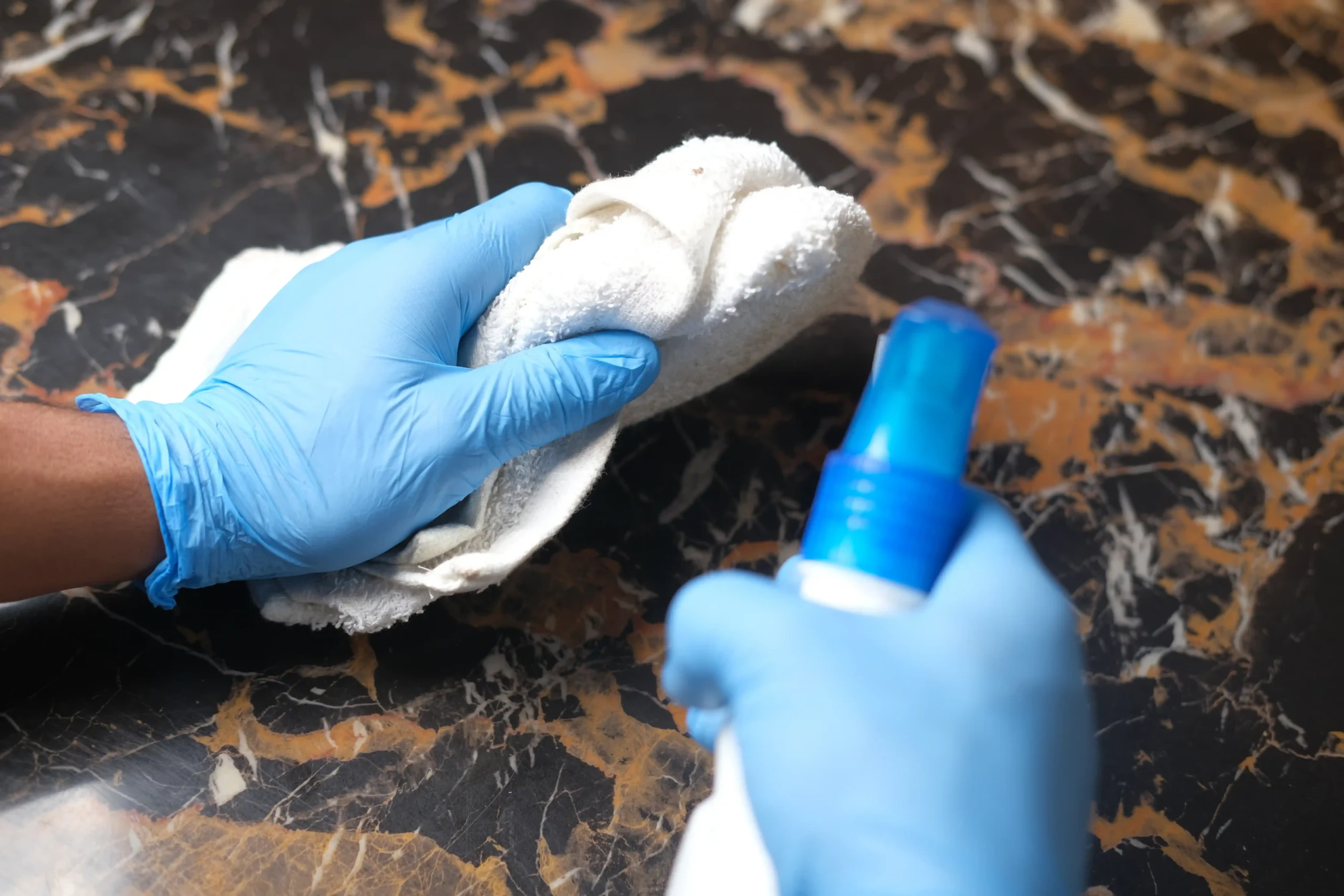
- Clean spills promptly: Wipe up coffee, juice, sauces and cooking oil with a soft cloth. Blot spills instead of spreading them across the floor.
- Use pH-neutral cleaners: Choose cleaning products specifically suitable for natural stone. Avoid vinegar, lemon-based cleaners and harsh chemicals on marble.
- Reduce abrasive dirt: Place entrance mats near doorways and sweep or dust frequently to remove sand and grit before they scratch the surface.
- Protect furniture: Attach suitable protective pads to chair and table legs. Lift furniture when moving it instead of dragging it across the floor.
- Manage moisture: Keep bathrooms and other wet areas properly ventilated, and investigate recurring damp patches rather than assuming they are ordinary stains.
- Arrange suitable maintenance: Have heavily used marble surfaces inspected when they develop persistent dullness, scratches or discolouration.
Regular marble floor maintenance is especially useful in properties with high foot traffic. It helps owners identify small issues early and choose suitable cleaning or restoration methods before the damage becomes more extensive.
Keep Your Marble Floors Looking Their Best
Marble etching, staining and surface scratching may look similar, but each problem develops differently and requires the right treatment. Etching affects the finish through chemical reactions, staining causes discolouration when substances enter the stone, and scratching results from physical abrasion. Identifying the difference helps you avoid unsuitable cleaning methods and make better decisions about repairs.
For Malaysian homeowners, offices and commercial property managers, regular cleaning, prompt spill removal and proper surface care can help preserve the natural appearance of marble. If your floor has persistent dull patches, deep scratches or stubborn stains, professional assessment can help determine the most suitable restoration approach.
To discuss your marble floor concerns and find out which treatment may be appropriate for your property, visit the Contact Us page at https://marblepolishing.my/contact-us/ and enquire about the available services.
FAQs:
1. How can you tell the difference between marble etching and staining?
Marble etching creates dull marks on the surface, while staining causes discolouration when substances penetrate the stone. Both may require different treatment methods.
2. What causes scratches on polished marble floors?
Sand, dirt, furniture movement and abrasive cleaning tools can scratch polished marble. Regular sweeping and furniture protection help reduce surface damage.
3. How do you remove stains from marble floors?
Use a suitable pH-neutral cleaner and identify the stain type before treatment. Persistent oil, rust or food stains may require a specialist marble stain removal method.
4. Can marble etching and scratches be repaired without replacing the floor?
Yes, many surface issues can be treated through professional honing, polishing or restoration. The appropriate method depends on the depth and severity of the damage.
5. How can you maintain marble floors in Malaysian homes?
Clean spills promptly, use stone-safe cleaning products, remove grit regularly and protect furniture legs. Periodic professional maintenance can also help preserve the marble’s finish.