
Quick Summary:
- Professional marble care can reduce the risk of scratches, stains, dullness and discolouration, although it cannot make marble completely damage-proof.
- Regular natural stone maintenance helps protect marble from humidity, rainwater, dust and heavy foot traffic common in Malaysia.
- Professional cleaning can remove stubborn dirt and contaminants that may gradually affect the marble surface.
- Polishing, refinishing and suitable protective treatments can help maintain the floor’s appearance and surface condition.
- Regular professional assessments can identify minor issues early, helping prevent more serious and costly marble floor damage.
Marble flooring adds a luxurious and elegant touch to Malaysian homes, hotels, offices and commercial spaces. However, regular exposure to dust, moisture, stains, foot traffic and unsuitable cleaning products can affect its appearance over time. In this blog, we will explore how professional marble care can help prevent future scratches, stains, dullness and discolouration. We will also look at the role of deep cleaning, refinishing, anti-slip treatments and daily maintenance. You will learn whyfloor polishing Malaysia, preventive care and professional restoration can help extend the life of marble flooring and when it is worth getting expert assistance.
Why Does Marble Become Damaged Over Time?
Marble is a natural stone, so it requires proper care to maintain its appearance. Although it is durable, the surface can gradually become dull, scratched or stained when exposed to everyday use.
In Malaysian homes, dirt and fine grit can enter through doors and windows. When people walk across the floor, these particles can create friction against the marble surface. Over time, repeated contact may contribute to small scratches and loss of shine.
Moisture is another factor. Malaysia’s humid weather and frequent rainfall can make wet footwear and water a regular concern, especially around entrances, kitchens, bathrooms and other high-use areas.
Spilled drinks, food, oils and unsuitable cleaning chemicals can also cause staining or etching. In commercial properties, high-traffic flooring may experience much faster wear because hundreds or thousands of people can walk across the same sections every day.
The good news is that many of these issues can be managed with the right maintenance strategy.
How Professional Marble Care Helps Prevent Future Problems
Professional maintenance is not only about making a marble floor look shiny immediately after cleaning. A proper maintenance plan focuses on protecting the surface and addressing early signs of deterioration.
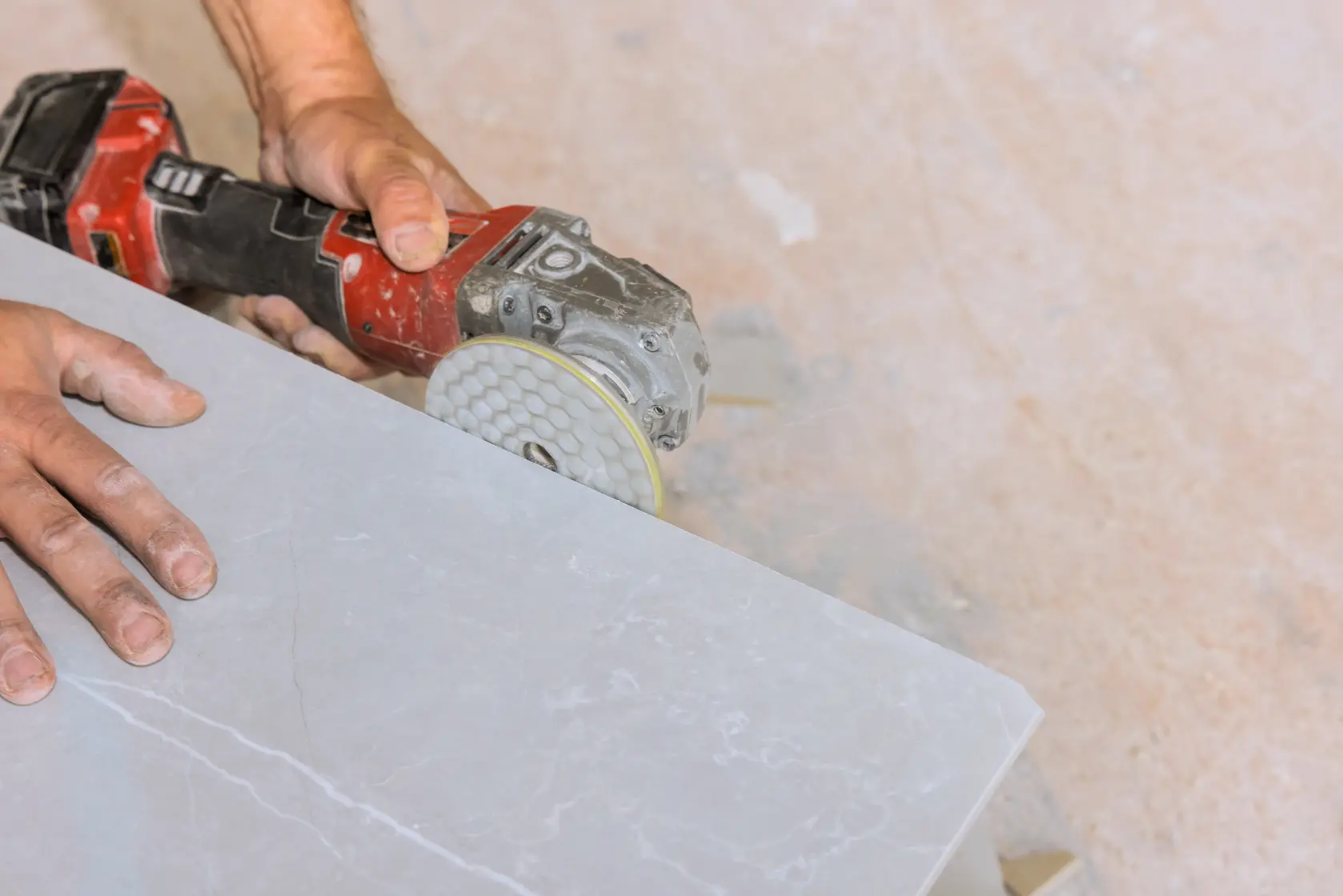
Depending on the condition of the floor, professional treatment may include inspection, stain removal, deep cleaning, polishing, refinishing and protective treatment.
For property owners looking for professional assistance, MarblePolishing services cover different approaches to maintaining and restoring marble surfaces. This can help property owners choose treatment based on the actual condition of their flooring.
1. Deep Cleaning Helps Remove Embedded Dirt
Regular mopping can remove visible dust, but it may not completely eliminate accumulated grime from the surface.
Marble Floor Deep Cleaning can help tackle stubborn dirt, stains and surface build-up that ordinary cleaning may leave behind. Professional cleaning can also reduce the amount of abrasive material remaining on the floor.
This is particularly useful for Malaysian properties with busy entrances, children, pets, customers or regular outdoor foot traffic.
A suitable marble cleaning service should use methods and cleaning products designed for natural stone. Using harsh chemicals simply because they appear powerful can potentially damage the surface.
2. Refinishing Helps Restore Worn Surfaces
Marble can gradually develop dull patches, fine scratches and uneven areas, especially in locations with constant foot traffic.
Marble Floor Refinishing can help restore worn surfaces and improve the overall appearance of the floor. Refinishing may be suitable when ordinary cleaning and polishing are no longer enough to address visible surface deterioration.
This can be particularly valuable in hotel lobbies, office receptions, corridors, retail spaces and entrance areas where the floor contributes to the property’s overall appearance.
A planned marble floor restoration approach can also help property owners address deterioration before the entire floor requires major restoration.
3. Anti-Slip Treatment Supports Safer Flooring
A marble floor should not only look attractive. It should also provide suitable traction for people walking across it.
Marble Floor Anti-Slip Treatment can improve surface traction in appropriate areas, particularly where moisture may make smooth flooring more slippery.
This can be relevant to Malaysian properties because rainwater can easily be carried indoors on shoes and umbrellas. Entrance areas, hotel walkways, commercial buildings and other high-use spaces may need additional attention.
Professional assessment is important because the appropriate treatment depends on the marble type, surface condition and location.
Can Regular Maintenance Reduce Discolouration?
Regular maintenance can significantly reduce the possibility of persistent stains and uneven discolouration, but everyday care is equally important.
When a drink, food or other substance spills onto marble, cleaning it quickly can prevent the substance from remaining on the surface for too long.
Property owners should also avoid using random household cleaning products without checking whether they are suitable for natural stone. Certain acidic or abrasive products can affect marble and gradually change its appearance.
A simple marble care routine can include:
- Wiping spills as soon as they occur.
- Using pH-neutral or stone-appropriate cleaning products.
- Placing mats near entrances.
- Removing dust and grit regularly.
- Avoiding abrasive brushes and scrubbers.
- Using furniture pads under heavy furniture.
- Keeping wet areas properly maintained.
- Scheduling professional maintenance when problems become noticeable.
These habits can complement professional treatments and help maintain the appearance of marble between services.
Why Malaysian Properties Need a Practical Marble Maintenance Plan
Marble maintenance in Malaysia needs to consider local environmental and lifestyle conditions.
Humidity, rain, dust and regular foot traffic can all influence the condition of flooring. A residential property may experience dirt from gardens, driveways and outdoor areas. A condominium may have heavy traffic around lifts and shared corridors. Hotels, restaurants, offices and retail properties can experience even greater wear.
This is why a one-time cleaning may not always provide a long-term solution.
A preventive floor maintenance strategy focuses on keeping the marble in good condition rather than waiting until serious damage occurs.
The frequency of maintenance can depend on:
- The amount of foot traffic.
- The location of the marble floor.
- The type of marble installed.
- Existing scratches and stains.
- Exposure to moisture.
- Cleaning practices.
- The size and purpose of the property.
A professional can assess these factors and recommend an appropriate maintenance approach.
What Mistakes Can Cause Future Marble Damage?
Some marble problems can develop because of simple cleaning and maintenance mistakes.
One common mistake is using abrasive scrubbers. They may remove stubborn dirt, but repeated use can create fine scratches on the surface.
Another issue is using unsuitable chemicals. Marble can react to certain acidic substances, potentially resulting in etching, dull patches or changes in appearance.
Leaving water and spills unattended can also increase the possibility of staining. Although marble maintenance does not need to be complicated, consistency is important.
Moving furniture without protection is another potential problem. Dragging chairs, tables and cabinets across the surface can create scratches.
Property owners should also avoid waiting until the floor looks severely damaged before arranging professional attention. Early intervention is often a more practical approach to marble surface protection.
When Should You Consider Professional Marble Maintenance?
You do not necessarily need to wait until your marble floor has severe damage.
Look out for signs such as:
- Dull or cloudy areas.
- Visible scratches.
- Persistent stains.
- Uneven shine.
- Etching.
- Discolouration.
- Worn areas in busy locations.
- Increased slipperiness when wet.
These signs may indicate that the floor needs more than routine cleaning.
Professional assessment can help determine whether the appropriate solution is cleaning, polishing, refinishing, protective treatment or another form of restoration.
For businesses, scheduled maintenance can also help keep marble surfaces looking consistent across customer-facing areas. A clean and well-maintained floor can contribute to a more professional environment and a stronger first impression.
Why Preventive Care Is Better Than Emergency Restoration
The biggest advantage of preventive marble care is that it focuses on maintaining the surface before serious deterioration occurs.
Instead of waiting for deep scratches, stubborn stains or widespread discolouration, property owners can monitor the floor and arrange appropriate maintenance when early signs appear.
Regular cleaning helps remove dirt and contaminants. Professional restoration can address surface wear. Protective treatments may improve the floor’s practical performance in suitable locations.
Together, these measures create a more sustainable marble floor care strategy.
Preventive maintenance can also help property owners manage long-term flooring costs. Looking after an existing marble surface may be more practical than allowing avoidable damage to become extensive.
How Can You Protect Marble Between Professional Services?
Professional maintenance works best when combined with good everyday habits.
Place entrance mats in areas where outdoor dirt is likely to enter. Clean high-traffic areas regularly and remove grit before it gets walked across the floor.
Use soft cleaning equipment and appropriate stone-safe products. If a spill occurs, wipe it rather than allowing it to remain on the surface.
For commercial properties, cleaning teams should also understand the correct procedures for marble floor cleaning. A consistent cleaning method can prevent different areas of the same property from developing noticeably different appearances.
Furniture should be moved carefully, and protective pads can be placed underneath tables, chairs and other heavy items.
These simple steps can reduce unnecessary wear and support the results of professional maintenance.
A Long-Term Approach Can Preserve Marble Better
Marble flooring can remain attractive for many years when it receives appropriate care.
The goal is not to prevent every possible mark or stain because no flooring material is completely immune to wear. Instead, the aim is to minimise avoidable damage and respond to developing problems early.
Professional stone floor restoration, regular cleaning, suitable protective treatments and sensible daily habits can work together to preserve the appearance and usability of marble.
For Malaysian homeowners and businesses, this approach can be especially useful in properties exposed to high humidity, rain, dust and frequent foot traffic.
Final Thoughts on Protecting Your Marble Floors
Professional marble care can help reduce future damage and discolouration, but the best results come from combining professional treatment with consistent everyday maintenance. Deep cleaning can address accumulated dirt, refinishing can improve worn surfaces and suitable anti-slip treatments can provide additional traction where required.
If your marble flooring has started showing stains, scratches, dullness or uneven colour, getting a professional assessment can help you understand the right treatment before the condition becomes more difficult to manage. To discuss your requirements, contact MarblePolishing for suitable marble cleaning, maintenance and restoration solutions in Malaysia.
FAQs:
1. Can professional marble maintenance prevent all future stains?
No. Professional maintenance can reduce the risk of stains and surface damage, but marble can still be affected by spills, chemicals, moisture and heavy usage. Quick cleaning and proper daily care remain important.
2. How often should marble floors receive professional maintenance?
There is no fixed schedule for every property. Residential floors with light traffic may require less frequent maintenance, while hotels, offices, retail spaces and other commercial properties may need more regular attention.
3. Is professional marble cleaning safe?
Professional cleaning can be safe when suitable products, equipment and techniques are selected according to the marble type and surface condition. Strong or unsuitable chemicals should be avoided.
4. Can refinishing remove scratches from marble?
Professional refinishing can improve many surface scratches and worn areas. However, the result depends on how deep the scratches are and the overall condition of the marble.
5. Is anti-slip treatment suitable for marble floors?
It can be useful in areas where moisture and smooth surfaces create a slipping concern. Entrances, commercial spaces, hotels and other high-use areas may benefit from a suitable anti-slip solution following professional assessment.